cadence gray
Siemens logo
Delta black and white
microsoft-azure-grey
AWS1
Capgemini black and white
MediaTek_logo3

What is a Virtual Chamber?

A Virtual Chamber is a software-defined security boundary that wraps around any application or asset to ensure only authorized traffic can reach it.
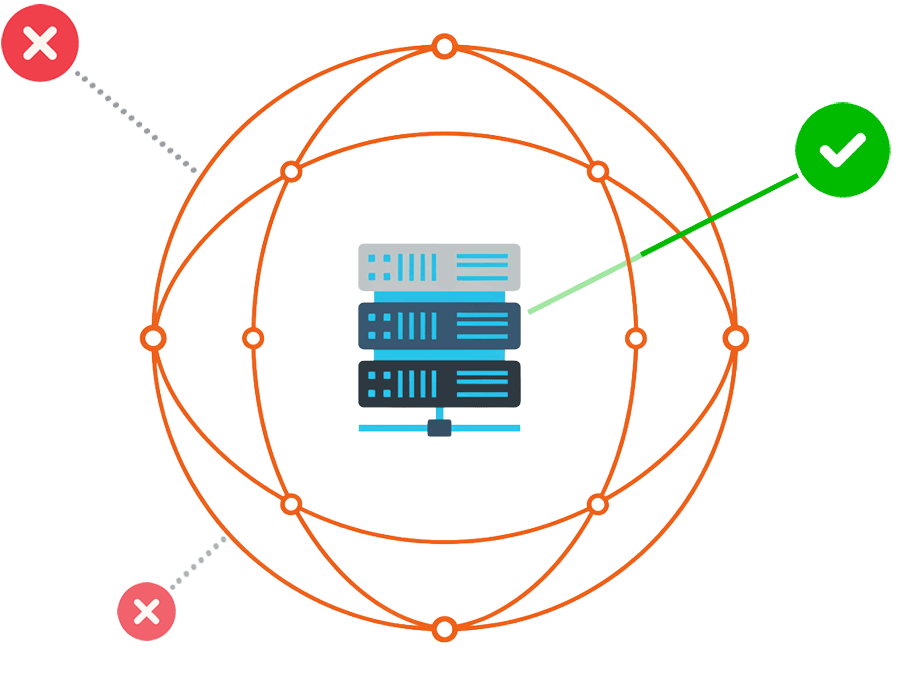
  • Blocks lateral movement; attackers can't pivot from compromised systems
  • Prevents outbound exfiltration and command-and-control callbacks
  • Works anywhere: on-prem, cloud, and OT environments
See How It Works →
Chamber_allowed_blocked_5

Select a Use Case

Pick the outcome you need now.
Prove it fast.
intellectual-property

Critical IP Protection

The SEC requires disclosure of material cybersecurity incidents. Sensitive R&D IP being accessible from a compromised endpoint on your network can result in board-level exposure.

Create secure zones for sensitive work that minimize data leaks while accelerating productivity.
View Use Case →
3rd Party

3rd Party Access and Collaboration

60% of breaches involve a third party. Every vendor VPN connection is a trust boundary you don’t control.

Give vendors access to exactly what they need. Nothing more.

View Use Case →
OT security

OT Security

Nation-state attacks on critical infrastructure hit record levels in 2025. If your network is flat, one compromised device can put your entire operation at risk.

Protect PLCs, SCADA, and legacy systems to ensure operational resilience.

View Use Case →
Ransomware

Ransomware Defense

Modern ransomware reaches crown-jewel assets within hours of initial compromise. Perimeter controls don’t help once an attacker is already inside.

Contain lateral access to crown jewel assets, even when the network has been compromised.
View Use Case →

How Zentera Works

Day 1: Deploy and Observe. Week 1: Enforce. Day 30: Expand.

Before Zentera: Flat networks with no segmentation between IT and OT. Lateral movement paths you can’t see. Audit findings you can’t remediate fast enough.

Keep critical services running.
Even when compromised.

A single ransomware incident causes an average of 22 days of operational disruption. That's not a security problem. It's business continuity, lost customer trust - and unnecessary business risk.

  • Stop incidents from becoming outages
  • Protected operations continue; unauthorized pivots are blocked
  • Reduces the risk of disruption to IT and OT

Protects assets with powerful Zero Trust controls.

Defend Your Assets. Protect Your Enterprise.

Explore our Attack Simulator below to see how protecting selected assets limits damage and maintains operational resilience in the face of cyber attacks.

What's the Cost of Waiting?

Every week without taking action is a week where your blast radius is your entire network.

$4.88M Average cost of data breach in 2024. (Cost of a Data Breach Report 2025, IBM)
241 days Mean time to detect and contain a breach. (Cost of a Data Breach Report 2025, IBM)
$800K Hourly cost of industrial downtime (The True Cost of Downtime 2024, Siemens)

Zentera helps you avoid costly breach remediation and downtime. It also prevents the impact of breaches before your SOC even knows the threat is there.

The question isn't whether you need Zero Trust. It's what another quarter of delay costs your organization.

Get the Analysis

Built for Lean Teams

Enterprise security, without the enterprise overhead.

Deployment Principles

No Network Redesign

Works on your existing infrastructure. No IP changes required.

Move Fast

Deploy non-disruptively. Learn policies based on observed application behavior.

Human-readable Policies

Identity and app-centric rules that you can understand and maintain.

Rollback-Safe Changes

Instant undo if anything unexpected happens.

Start Small, Expand Safely

Observe first, enforce later. Prove value before scaling.

Impact

  • Access paths: reduced to only approved flows
  • Blast radius: shrinks from network-wide to asset-specific
  • Visibility: complete view of who accesses what
  • Expansion: add new assets without redesigning

Ready to deploy your first Use Case?

Most teams can show measurable risk reduction in days, without impacting running applications.